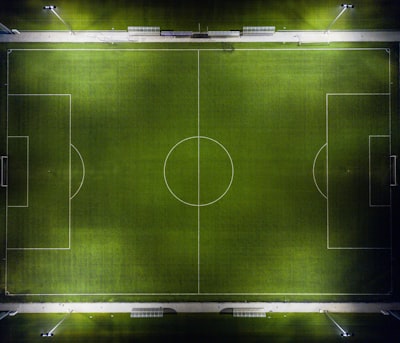
Unlock Success: Create Space in Final Third with Ease
Creating space in the final third is a skill that separates average teams from exceptional ones in football. The ability to find open areas and exploit them can lead to more scoring opportunities and ultimately, more goals. In this blog, we will explore the art of creating space in the final third and discuss key techniques, tactical approaches, and training drills that can help players and coaches master this skill and improve their organisation on the field.

Understanding Space
Space refers to areas on the field where players can move freely. In the final third, closest to the opponent’s goal, space is crucial for scoring. Identifying and exploiting space is key to offensive play.
Passing lanes in the final third create space by providing channels for ball movement. Strategic positioning helps players keep the ball moving towards the goal.
The attacking team has an advantage in creating space near the goal. As they advance, gaps in the opposing team’s defence open up for exploitation. It’s crucial for attackers to identify and use these spaces for scoring chances.
The Concept of Space in the Final Third
In the attacking third, creating space is crucial for players to be effective. It involves movement and positioning to receive passes and create scoring chances. Diagonal runs disrupt the defence and offer passing options.
Defensively, players must close down passing lanes and limit space for the opposition. Coordinated movement and communication are key to denying time and space for building attacks.
Why Space Creation is Key to Offensive Success
Space creation is crucial for offensive success as it enables the attacking team to breach the opposition’s defence and generate scoring chances. Players locating and utilising open areas on the field can establish passing lanes and execute effective combination play.
Combination play involves coordinated movement and passing among players to dismantle the opposing defence. By opening up space, attackers can collaborate to execute quick combinations like one-twos and give-and-gos, circumventing defenders and creating scoring opportunities.
An attacking team proficient in space creation gains an edge over a compact defence. By stretching the defence both horizontally and vertically, the attacking team can create openings for well-timed runs and precise passing to exploit gaps efficiently.

Techniques for Creating Space
Creating space in the final third requires specific techniques and strategies. Two key techniques for creating space include movement without the ball and using width and depth to stretch defences. These techniques can be honed through specific training drills and can be influenced by tactical approaches such as player positioning and formations. In particular, midfield players, who are specialists in creating space and facilitating progression, play a crucial role in executing these techniques. By implementing these techniques and strategies, teams can enhance their ability to create space and pivot their way to increased offensive success.
The Role of Movement Without the Ball
ChatGPT responds to human prompts. Output quality hinges on prompt quality, optimising performance. Good prompts yield accurate responses and boost model efficiency.
Writing website copy for conversions is an art. Employing suitable strategies aligns the copy with your audience, communicates product value, and drives sales.
Movies matter—they inspire, comfort, and entertain us. Our list spans a century of cinema, covering blockbusters to cult classics, from silly comedies to brutal horror.
Movement without the ball in the final third is crucial. Attacking players move constantly, making runs to receive passes and create scoring chances. Decoy runs draw defenders’ attention while diagonal runs create passing options. Timing runs well helps exploit space for decision-making and scoring opportunities.
Using Width and Depth to Stretch Defences
Using width and depth is another effective technique for creating space in the final third. By spreading out the attacking players and stretching the defence horizontally, gaps and openings can be created for players to exploit.
Width refers to the positioning of players on the outer edges of the field. By positioning wide players, such as wingers, close to the touchlines, the attacking team can force the defending team to spread out and cover more ground, creating gaps in the middle for players to exploit.
Depth refers to the positioning of players further away from the goal. By having players make runs from deep positions towards the goal, the defence is forced to retreat and create space for the attacking team to penetrate.
By using both width and depth effectively, attacking teams can create a dynamic and unpredictable attack that is difficult for the defence to contain.

Tactical Approaches to Space Creation
Creating space in the final third can also be influenced by tactical approaches. Two key tactical approaches to space creation include player positioning and formations. By strategically positioning players and employing specific formations, teams can enhance their ability to create space and increase their offensive success.
The Importance of Player Positioning and Roles
Player positioning is crucial for creating space in the final third. Each player must understand their role and position themselves in areas that maximise their ability to create and exploit space.
For attackers, positioning is particularly important. They must position themselves in areas that allow them to receive passes and make runs into open areas. By positioning themselves between the opposing defenders and making diagonal runs, attackers can create passing options and disrupt the opposing defence.
How Formations Influence Space in the Final Third
Formations can also play a significant role in space creation in the final third. Different formations provide different tactical advantages and can influence how space is created and utilised.
For example, a formation with three forwards, such as a 4-3-3, can provide more attacking options and stretch the defence horizontally. On the other hand, a formation with two wingers and a striker, such as a 4-2-3-1, can create width and provide opportunities for overlapping runs.
Coaches must consider the strengths and weaknesses of their players when selecting a formation and ensure that the formation allows for effective space creation in the final third.

Training Drills to Enhance Spatial Awareness
Training drills are essential for enhancing spatial awareness and developing the ability to create space in the final third. By incorporating specific drills into training sessions, players can improve their understanding of space and develop the skills necessary to exploit it.
Small-Sided Games Focused on Space Creation
Small-sided games are an effective way to enhance spatial awareness and develop the ability to create space in the final third. By playing in smaller spaces with fewer players, players are forced to constantly be aware of their surroundings and make quick decisions.
In these games, coaches can introduce constraints that encourage players to find and exploit open areas. For example, players may be limited to certain zones on the field or required to make a certain number of passes before attempting a shot.
By incorporating small-sided games focused on space creation into training sessions, players can develop the awareness and skills necessary to create and exploit space in the final third.
Position-Specific Drills for Attacking Players
Position-specific drills are another effective way to enhance spatial awareness and develop space creation skills for attacking players. These drills focus on the specific movements and decision-making required for each attacking position.
For example, wingers may work on their ability to make diagonal runs and provide width in the final third. Strikers may focus on their positioning and movement in and around the penalty area to create scoring opportunities.
By tailoring drills to the specific needs of each attacking position, players can develop the spatial awareness and skills necessary to excel in their role and create space in the final third.
Analysing Professional Teams’ Space Creation
Analysing professional teams’ space creation can provide valuable insights into effective strategies and techniques. By studying teams like Barcelona and Liverpool, we can learn from their successes in creating space in the final third.
Case Study: Barcelona’s Tiki-Taka
Barcelona’s tiki-taka style of play is renowned for its ability to create and exploit space in the final third. This possession-based approach relies on quick and precise passing to move the ball and create openings in the opposing defence.
By constantly moving off the ball and making quick, short passes, Barcelona players create passing lanes and gaps in the defence. This allows them to retain possession and patiently build up play until an opportunity to penetrate the final third arises.
Studying Barcelona’s tiki-taka approach can provide valuable insights into the importance of movement, passing, and patience in creating space in the final third.
Case Study: Liverpool’s High Pressing Game
Liverpool’s high pressing game is another example of effective space creation in the final third. This aggressive approach aims to win the ball back quickly and create scoring opportunities through intense pressure on the opposing defence.
By pressing high up the field, Liverpool limits the space available to the opposing team and forces them into making mistakes. This creates turnovers and allows Liverpool to quickly transition into attack in the final third.
Studying Liverpool’s high pressing game can provide insights into the importance of pressure and intensity in creating space and generating scoring opportunities.
Player Profiles: Masters of Creating Space
Examining the profiles of players who excel in creating space can offer valuable insights into the individual brilliance required to master this skill.
Lionel Messi: A Case Study in Individual Brilliance
Lionel Messi is widely regarded as one of the greatest players of all time and a master of creating space in the final third. His exceptional dribbling skills and ability to change direction quickly make him a constant threat to opposing defences.
Messi’s individual brilliance allows him to create space for himself and his teammates through his exceptional ball control and movement off the ball. By constantly threatening the defence and drawing multiple defenders towards him, Messi opens up space for his teammates to exploit.
Studying Messi’s playing style and decision-making can provide valuable insights into the art of creating space in the final third.
Kevin De Bruyne: Vision and Passing Precision
Kevin De Bruyne is known for his exceptional vision and passing precision, which make him a master of creating space in the final third. His ability to pick out teammates with precise passes allows him to create scoring opportunities even in tight spaces.
De Bruyne’s passing ability not only opens up space for his teammates but also disrupts the opposing defence by constantly forcing them to adjust their positioning. His understanding of space and ability to exploit it make him a key playmaker for his team.
Analysing De Bruyne’s passing techniques and decision-making can provide insights into the importance of vision and precision in creating space in the final third.
Implementing Space Creation in Your Game Plan
Implementing space creation in your game plan requires careful planning and strategic thinking. Coaches must consider various factors to ensure that their team is maximising its ability to create and exploit space in the final third.
Adapting Training Sessions for Different Levels
Adapting training sessions to the skill levels of the players is crucial for implementing space creation in the game plan. Coaches must design drills and exercises that challenge players at their individual levels, allowing them to develop the necessary skills and understanding of space.
By gradually increasing the complexity and difficulty of the drills, players can build their spatial awareness and ability to create space in the final third. Coaches must also provide feedback and guidance to help players understand how to apply the skills learned in training to game situations.
Game Day Strategies for Maximising Space
On game day, coaches can implement specific strategies to maximise space creation in the final third. This may involve instructing players to make specific runs, exploit weaknesses in the opposing defence, or adjust their positioning based on the flow of the game.
By analysing the opposing team’s defensive structure and identifying areas of potential vulnerability, coaches can develop game plans that emphasise space creation. These game day strategies can be adjusted based on the specific strengths and weaknesses of the players and the opposition.
Conclusion
Mastering space creation in the final third is key for offensive success. Techniques like movement without the ball, strategic positioning, and tactical approaches can elevate your team’s performance. Training drills, analysing pro teams’ strategies, and studying players like Messi and De Bruyne provide valuable insights. Confidence, quick decision-making, and adapting game plans are crucial. Improving space creation will enhance your team’s gameplay significantly.
Frequently Asked Questions
What are the best drills for improving spatial awareness?
The best drills for improving spatial awareness involve small-sided games and position-specific exercises. These drills challenge players to constantly be aware of their surroundings and make quick decisions to create and exploit space. To overcome the defensive line a players first touch when receiving the ball is crucial from the defence, midfielder or even goalkeeper. The first touch from the first player to receive the ball must be forward and fast from the halfway line and beyond.
How can a coach encourage players to create more space?
A coach can encourage players to create more space by emphasising the importance of movement off the ball and providing specific instructions on positioning and runs. Reinforcing the benefits of space creation and providing positive feedback can also motivate players to actively seek out open areas on the field.
What role does player communication play in creating space?
Player communication plays a crucial role in creating space as it allows teammates to coordinate their movements and exploit gaps in the opposing defence. Effective communication can help players identify and exploit open areas, leading to increased opportunities to create scoring chances.
Sign up for a free trial here

Social Media
Recommended Articles
Nutrition Articles:
- Cristiano Ronaldo Diet: The Ultimate Footballer’s Guide
- Messi Nutrition Plan: Optimal Performance Secrets
Technique Articles:
About Our Academy:
- Football Academy Near Me: Elstree’s Girls Football Program
- Best Kids Football: Join Our Club Today
- Find a Football Academy Near Me: Titans Football Academy