The Ultimate Guide To Mastering Penalties Football
Introduction
Football penalties are often the most dramatic and decisive moments in a match. They can bring about feelings of joy or despair and have the power to change the outcome of a game. Whether it’s a penalty kick awarded during normal play or a penalty shootout to determine the winner in a knockout football match, penalties add an extra layer of excitement and tension to the beautiful game.
In recent years, penalties have played a significant role in major tournaments, with the success or failure of a penalty kick often determining the fate of a team. For example, England’s exit from the 2022 FIFA World Cup was influenced by Harry Kane’s penalty miss against France. Penalties can be awarded for various reasons, including handball, fouls, dangerous play, and denying a clear goal-scoring opportunity. In some cases, if teams are tied after regular play, a penalty shootout may be used to determine the winning team after extra time, with the away goals rule being a crucial factor in two-legged knockout fixtures. The first major international tournament to use a penalty shootout was the 1976 European Championship, where Czechoslovakia beat West Germany 5-3 on penalties after a 2-2 draw against the Soviet Union. Knowing the rules and history of penalties and extra time, including the away goals rule and the use of penalty shootouts in major tournaments like the European Championship and the Namibian Cup, is crucial for mastering the art of penalty kicks in football. Additionally, understanding the use of knowledge of kicker’s history, such as keeping a piece of paper in their sock, can give players an advantage in penalty shootouts.
Taking a penalty requires precision, skill, and nerves of steel. The procedure for taking a penalty involves specific rules and regulations that both the penalty taker and the defending team must adhere to. In addition, penalty shootouts have their own set of rules and can be nail-biting affairs that test the mental and physical strength of the players. Knowing the best way to handle the pressure and execute a successful penalty is crucial for any football player.
In this ultimate guide to football penalties, we will explore the definition, importance, and different types of penalties. We will also delve into the procedure for taking a penalty, the key moments in penalty history, the tactics behind taking and saving penalties, famous penalties and their impact on games, controversies surrounding penalty decisions, advancements in penalty technology, and more. So, let’s dive into the world of football penalties and uncover the secrets behind these game-changing moments.
What are the most common penalties in football?
The most common penalties in football include holding, pass interference, illegal blocking, and unnecessary roughness. These penalties can result in significant yardage losses or automatic first downs for the opposing team, making them crucial to avoid for a successful game strategy.
Understanding Football Penalties
Before we explore the intricacies of football penalties, it is essential to understand some key terms and concepts. A penalty kick, also known as a spot kick, is a specific type of free kick that is awarded to the attacking team when a foul or handball occurs inside the opponent’s penalty area. The penalty area, also known as the own penalty area, is a rectangular box located in front of the goals, and it is where the defending team’s goalkeeper is positioned during a penalty kick. The laws of the game, set by the International Football Association Board (IFAB), dictate the rules and regulations for penalties, including offences that can result in a penalty kick, such as physical offences against a team or match official. These offences can also include any physical offence against a team-mate, substitute, substituted or sent-off player, team official, or a match official.
The Definition and Importance of Penalties in Football
In football, penalties play a crucial role in determining the outcome of matches and competitions. A penalty kick is a direct free kick awarded to the attacking team when a foul or handball occurs inside the opponent’s penalty area. Unlike indirect free kicks, which require another player to touch the ball before a goal can be scored, penalty kicks allow the taker to shoot directly at the goal. Penalty shoot-outs, on the other hand, are used to determine the winner of a match if it ends in a tie after regular time and extra time. Each team takes turns shooting at goal from the penalty mark, with the goal defended only by the opposing team’s goalkeeper. Understanding the rules and strategies of penalty shoot-outs, including the importance of team scores at the end of the game, is crucial for any football player or fan.
The International Football Association Board (IFAB), the governing body responsible for determining the rules of the game, considers penalties to be an essential part of football. They are designed to punish defenders for committing fouls that deny the attacking team a clear goal-scoring opportunity. Penalties can have a significant impact on the momentum and outcome of a match, often leading to intense moments of drama and excitement for both team A and team B.
The importance of penalties is particularly evident in knockout competitions, where a successful penalty kick with a high success rate can propel a team to victory and advance them to the next round. On the other hand, a missed or saved penalty can result in elimination. The ability to convert penalties and withstand the pressure is a vital skill for both penalty takers and goalkeepers.
Different Types of Penalties Explained
While penalty kicks are the most commonly known type of penalty in football, there are also other types of penalties that players and fans should be aware of. These include indirect free kicks and direct free kicks.
Indirect free kicks are awarded for less severe fouls, such as obstruction or dangerous play. During an indirect free kick, the ball must touch another player before a goal can be scored. Indirect free kicks are not commonly awarded inside the penalty area and are typically taken from the spot where the foul occurred, unless the kicker feints or a teammate of the identified kicker kicks the ball instead, resulting in an indirect free kick for the defending team. Outside agents, such as animals or spectators, can also interfere with the ball during an indirect free kick, resulting in the kick being retaken. Understanding the different types of penalties, including indirect free kicks and the potential interference of outside agents, is crucial for mastering penalties in football.
Direct free kicks, on the other hand, can be awarded for more serious fouls, such as tripping or pushing. Similar to penalty kicks, direct free kicks allow the taker to shoot directly at the goal without the need for the ball to touch another player. Direct free kicks can be awarded both inside and outside the penalty area, depending on the location of the foul.
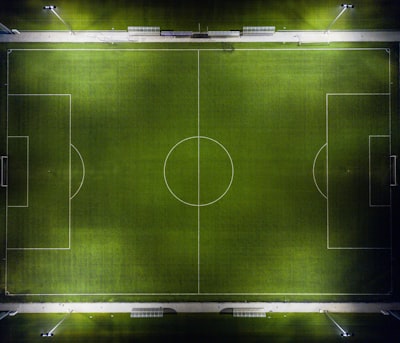
The penalty spot is a crucial element of penalty kicks. It is the designated spot from which a penalty kick is taken, located 12 yards directly in front of the middle of the goal. The penalty spot ensures a fair and consistent distance for penalty takers, regardless of where the foul occurred inside the penalty area.
The Procedure for Taking a Penalty
The procedure for taking a penalty kick involves several key aspects that both the penalty taker and the defending team must adhere to. These aspects include the positioning and movement of players, rules for the goalkeeper, and various technicalities.
Positioning Before the Kick
Before taking a penalty kick, the positioning of the players is crucial. All players other than the goalkeeper and the penalty taker must stand at least 10 yards away from the ball. They should be positioned behind the penalty spot and outside the penalty area, within the field of play. This ensures a fair and unobstructed opportunity for the penalty taker to shoot at the goal net.
Rules for the Goalkeeper and Players
The rules for the goalkeeper and players during a penalty kick are designed to ensure fair play and maintain the integrity of the game. The goalkeeper is subject to specific regulations regarding their positioning and movement, while players from both teams have their responsibilities and restrictions.
Key Moments in Penalty History
Penalties have played a significant role in the history of football, with several key moments that have shaped the game. From iconic penalty shootouts to controversial decisions, these moments have left a lasting impact on players, teams, and fans alike.
The Introduction of the Penalty Kick
The introduction of the penalty kick in football marked a significant milestone in the evolution of the game. Prior to the introduction of penalties, fouls inside the penalty area were punished with a free kick, which required the ball to touch another player before a goal could be scored. The penalty kick, as a direct free kick awarded to the attacking team by the Scottish Football Association, was first introduced in the Airdrie Charity Cup final on 6 June 1891, following a public outcry over a handball incident in an FA Cup quarter final between Stoke City and Notts County. It provided a fair and straightforward method for punishing fouls committed inside the penalty area, and it continues to be a crucial aspect of the game today thanks to innovators like Danny Blanchflower and his use of feinting and distraction techniques, including the famous “little stop” or paradinha penalty made famous by Brazilian legend Pelé. The introduction of the penalty kick also had a significant impact on the game in Northern Ireland, with players like Jimmy McIlroy and Danny Blanchflower leading the way in its usage and development, including the use of “spaghetti legs” to distract and deceive the opposing team.
Memorable Penalty Shootouts in Football History
Penalty shootouts are often the most dramatic and intense moments in football, with the outcome of an entire tournament resting on the shoulders of the players. Throughout history, there have been numerous memorable penalty shootouts that have captivated fans and created lasting memories.
Tactics Behind Taking and Saving Penalties
Taking and saving penalties require a combination of skill, technique, and psychological strategies. Both the penalty taker and the goalkeeper need to formulate tactics and strategies to increase their chances of success.
Psychological Strategies Used by Players
Psychological strategies play a crucial role in penalty kicks, as the pressure and tension can significantly impact a player’s performance. Penalty takers employ various techniques to stay calm, focused, and confident during a penalty kick.
Techniques for Predicting and Stopping Penalties
Goalkeepers and defending teams use different techniques and strategies to try and predict and stop penalties. Analysing the penalty taker’s tendencies, body language, and previous penalty history can provide valuable insights for goalkeepers.
Famous Penalties and Their Impact on Games
Throughout the history of football, there have been famous penalties that have had a significant impact on games. Whether it’s a game-changing penalty goal or a crucial save, these moments have shaped the outcome of matches and left a lasting legacy.
Game-Changing Penalty Decisions in Major Tournaments
Major tournaments like the World Cup and the UEFA Champions League have witnessed game-changing penalty decisions that have had a profound impact on the course of the competition. Controversial penalty calls and their consequences have sparked debates and discussions among fans and experts.
Record-Breaking Penalty Shootouts
Some penalty shootouts have gone down in history for their record-breaking nature. From the longest shootouts to the most penalty kicks taken, these record-breaking moments have added to the drama and intensity of the game.
Controversies Surrounding Penalty Decisions
Penalty decisions in football have always been a subject of controversy and debate. Questionable calls, perceived bias, and inconsistencies in decision-making have led to heated discussions among players, fans, and pundits.
Questionable Penalty Calls in Football History
Football history is replete with questionable penalty calls that have sparked outrage and debate among fans and players. These decisions have sometimes had a significant impact on the outcome of matches and tournaments.
The Debate Over the Use of VAR in Penalty Situations
The introduction of Video Assistant Referee (VAR) technology in football has brought about a new dimension to penalty decisions. VAR’s role in reviewing and overturning penalty calls has been a subject of debate among football stakeholders, with opinions divided on its effectiveness and impact on the game.
Conclusion
In the realm of football penalties, understanding the nuances and tactics can make a significant difference in game outcomes. From the history of penalty kicks to the psychological strategies employed by players, each aspect plays a crucial role. While controversies and advancements in penalty technology add layers to the game, it’s the key moments and famous penalties that etch themselves into football history. Whether it’s the record-breaking shootouts or the debate over VAR, the impact of penalties reverberates across the sport. As fans and players alike delve into the intricacies of penalty decisions, the future prospects for penalty decision-making promise further excitement on the football field.
Frequently Asked Questions
What Happens During a Penalty Shootout?
During a penalty shootout, each team takes turns to shoot penalties at the opposing team’s goalkeeper. The team with the most goals after a predetermined number of penalties is declared the winner. If the scores are level, the shootout goes into sudden death until a winner is determined. The penalties are taken from the penalty spot, and the ball must cross the goal line to count as a goal.
Can a Penalty Kick Be Retaken?
A penalty kick can be retaken in certain circumstances. If the goalkeeper infringes the rules by moving off the goal line before the kick is taken and the penalty results in a goal, the kick must be retaken. If both the goalkeeper and the penalty taker infringe the rules, the kick must also be retaken.
How Are Penalty Spots Determined in Different Leagues?
The placement of the penalty spot can vary slightly between different leagues and competitions. The International Football Association Board (IFAB) sets the standards for the placement of the penalty spot, but individual leagues may have slight variations within those guidelines. For example, in the Premier League, the penalty spot is determined by the size of the field and the dimensions of the penalty area.
Sign up for a free trial here

Social Media
Recommended Articles
Nutrition Articles:
- Cristiano Ronaldo Diet: The Ultimate Footballer’s Guide
- Messi Nutrition Plan: Optimal Performance Secrets
Technique Articles:
About Our Academy:
- Football Academy Near Me: Elstree’s Girls Football Program
- Best Kids Football: Join Our Club Today
- Find a Football Academy Near Me: Titans Football Academy