Corner Kick Defense Mastery: How to Defend Corners
Introduction
In football, corner kicks are a great chance to break through strong defenses. This guide looks into how to defend against corner kicks. It will help you learn the techniques and plans used by top Premier League clubs to stop these dangerous plays.
Understanding Corner Kicks in Football
A corner kick, or just a corner, happens when the defending team kicks the ball over their own goal line. This set piece gives the attacking team a great chance to score. A well-taken corner can lead to a lot of action near the goal.
The defending team must protect their penalty area from aerial attacks. The attacking team can choose different strategies. They might opt for in-swinging crosses aimed at the near post. They could use out-swinging crosses to the far post or even short corners to make space and create passing options.
The Importance of Defending Corners
Successfully defending against corner kicks needs good strategy, skilled players, and strong teamwork. Letting in a goal from a corner can really hurt a team’s spirit and give the other team an easy score.
The area right in front of the goal is one of the most dangerous areas during a corner kick. To protect this key spot, teams often use zonal defending. This means certain players are in charge of clearing any balls that come into this risky area.
Winning the first contact is very important. Defenders need to be tough and ready. They should watch the trajectory of the ball closely and move in to take it away.
Types of Corner Kicks You’ll Face
Understanding the different types of corner kicks your team will face is important for building a strong defense. The attacking team has many choices, and each choice needs a special response from the defending team.
The most common type is the in-swinging or out-swinging corner. In this case, the ball is sent right into the penalty area. Defenders need to pay close attention to the trajectory of the ball, how it curves, and where the other attackers are.
Short corners bring a new challenge. Instead of sending the ball into the box, the attacking team goes for a short pass to a teammate by the corner flag. This can surprise defenders and create chances to have more players on the attack. It can also open up space for crosses or shots from different angles.
The Role of a Defender During a Corner
Defenders are the final barrier during a corner kick. Their job is to stop the attacking team and clear the ball away from danger. They do more than just head the ball away. They also need to be aware of tactics, talk to each other, and be strong.
A defender must be flexible. They should be ready to change from zonal marking to man-marking depending on what is happening. They serve as a shield and protect the goal with their bodies. This makes it hard for attackers to get a clear shot on the goal.
Positioning Before the Corner is Taken
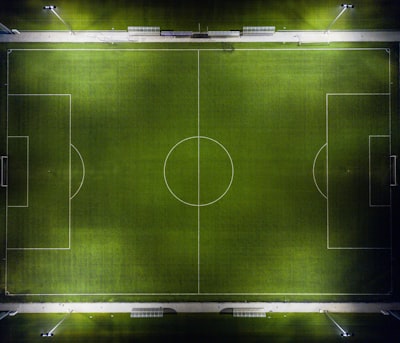
Before the corner kick is taken, defenders need to be well-organised. They should stand in good spots to limit any threats. In a zonal marking system, every player looks after a certain area. This helps to cover dangerous spaces.
Usually, zonal defenders stand near the six-yard box, with at least one player at the near post. This player can handle any inswinging corner kicks. It’s also helpful to have a spare player at the edge of the box, such as Aston Villa, Brentford FC and Brazil, who are known for their strong corner kick defense. This player can stop short corners and block passing routes, as well as press the attacking player who receives the short pass.
Defenders must talk to each other clearly. They should call out their positions and warn about any threats they notice.
Decision-Making During Corner Situations
Decision-making is very important when a corner kick is happening. The defending team has to act fast as the ball moves and as the attacking team makes its moves. In man marking, defenders need to follow their attackers closely, especially when facing a defensive block with a lot of space available. They must stay goal-side to stop them from getting a free header, while also keeping an eye on the opposition player who may be positioned at the edge of the box, potentially attacking their blind side.
Defenders have to choose between going for the ball or sticking with their assigned player. If the ball goes to a dangerous spot, they might need to leave their player just for a moment to clear away the threat.
Clear communication is key during these quick decisions. It helps defenders switch who they are marking and keep a strong defense.
Defensive Formations for Corners
Choosing the best defense for corner kicks relies on what the team is good at or not and how the other team plays. Coaches like to mix different methods for a defense that is hard to predict and can adjust.
Two main formations are often used: man-marking, where each defender watches a specific attacker, and zonal marking, where players defend different areas of the penalty box.
Man Marking vs. Zonal Marking
The debate about man-marking and zonal marking during corners is still alive. Each style has its pros and cons. Knowing the details is important to choose the best one.
Man marking:
Advantages: Each defender has a clear job, which may reduce confusion. It’s good against teams with strong heading players.
Disadvantages: It can struggle with blockers, screens, and tricky runs. This might leave open spaces, especially if defenders lose sight of their marked players.
Zonal marking:
Advantages: Defenders can focus on getting rid of the ball instead of following players. It works well with crosses to the near post.
Disadvantages: It might be weak against quick passing or when too many players crowd a specific area. It needs good communication and teamwork among defenders.
Pros and Cons of Each Defensive Strategy
Tactical analysis of both man-marking and zonal marking reveals the strengths and vulnerabilities inherent in each approach.
Man marking, while providing individual clarity, can be exposed by well-coordinated attacking movements. Blocks and screens can disrupt defenders, creating space for attackers to exploit.
Conversely, zonal marking allows for greater flexibility and adaptation to the ball’s flight. However, it demands exceptional communication, as any lapse in coordination can lead to a numerical advantage for the attacking team within a specific zone.
|
Strategy |
Pros |
Cons |
|
Man Marking |
Clear responsibilities, effective against aerial threats |
Susceptible to blocks, screens, leaves spaces open |
|
Zonal Marking |
Flexible, adaptable to ball movement, strong near post coverage |
Requires high communication, vulnerable to overloads |
Key Techniques for Effective Corner Defense
To have a strong corner defense, it is very important to master individual skills, not just formations. Defenders need to be good at clearing the ball, winning battles in the air, and talking clearly with their teammates.
They must know when to head the ball, kick it away, or protect it from threats. This skill comes from practice and experience. These techniques are the base of a good corner defense.
Clearing the Ball: Headers and Volleys
Clearing the ball well is the main goal for any defense during a corner kick. Defenders need to focus on getting the first contact. They should use their heads or feet to push the ball away from danger.
When making headers, defenders must have great timing and jumping skills. They also need to be brave to challenge for the ball in a busy penalty area. While heading, defenders should try to hit the ball to the sides of the pitch or clear it hard enough to stop any quick chances for scoring. Additionally, defenders should also be aware of their positioning and practice tight marking to prevent opposing players, especially midfielders, from getting a clear shot on goal.
Volleys can be more risky but they work well for clearing the ball when defenders have little time to react. To make a good volley, defenders need to have good footwork, stay balanced, and hit the ball firmly and accurately.
Communicating with Teammates
Seamless communication is key to a strong defense during corner kicks. Defenders need to talk to each other all the time. They should share information about where they are, who they need to mark, and any possible dangers.
The goalkeeper, who acts like the team leader on the field, is important for managing the defense. He calls out instructions so that everyone knows their job.
When players communicate loudly and clearly, it gets rid of confusion. This cuts down on mistakes and allows the team to react faster to what happens during a corner kick.
Analywing Professional Teams’ Corner Defense Tactics
Watching how professional teams defend corner kicks can teach a lot to anyone wanting to play football or coach. Teams in the Premier League show great ways to defend against corners because they are very good at tactics and organizing their defense.
Chelsea focuses on zonal marking, while Manchester United has a more flexible plan. Fulham, on the other hand, utilizes a hybrid marking approach, including a combination of zonal marking, player-to-player markers, and “edge” players stationed at the edge of the penalty area. Manchester City also has a unique approach to corner defense, with only four players attacking and one zonal defender present to prevent a low cross from going directly into the six-yard box. These different methods show how teams at the highest level work. By looking at how these teams set up, where players stand, and how they react, you can learn ways to make your own team better at defending corner kicks, including how to effectively utiliwe free space on the edge of the box and player positions. Additionally, a detailed analysis of professional teams’ defensive setups from around the world, such as USA, can provide valuable insights and strategies for corner kick defense.
Chelsea’s Zonal Marking Approach
Chelsea is known for their strong defense. They often use a zonal marking system to defend against corner kicks. In this system, players stay in specific zones in the penalty area. This helps cover spaces that could be dangerous.
The Blues focus on clearing the ball from these danger zones. Defenders prioritize using headers and volleys to keep the ball away from their goal. Chelsea’s success with zonal marking shows how effective a well-trained team can be.
Their defenders communicate very well. They switch who they cover based on where the ball is and what the attackers do. This teamwork and coordination are key to stopping threats from corner kicks.
Manchester United’s Mixed Marking Strategy
Manchester United, with different managers, has used a mixed marking method. This combines both zonal and man-marking styles. This hybrid strategy helps them adapt to various attacking threats.
United places zonal defenders in important spots like the near post and penalty spot. Other players are given specific opponents to follow.
This active approach confuses the attacking team. They have to deal with defenders who can either mark their players closely or switch to a zonal style based on what is happening.
Training Drills to Improve Corner Defense
Effective corner kick defense takes time to develop. Teams need regular practice and specific training drills. Coaches should create situations that mimic real matches. This helps players learn the skills needed to stop corner kick threats.
Concentrate on drills that build communication, teamwork, and quick decision-making. Teach proper techniques for heading, volleying, and positioning. This builds both confidence and ability in the defensive group.
Simulating Match-Pressure Situations
Training drills should be like real games. Set up situations where defenders have fewer teammates, face different types of moves, and deal with attackers who run from far away.
Add fatigue to the training by doing these drills after hard workouts. This helps mimic late-game situations when focus and decision-making can slip.
By creating these game-like conditions, defenders build their calmness, teamwork skills, and physical strength. This helps them perform well when it truly counts.
Conditioning for Quick Reaction Times
Corner kick situations happen fast. Defenders need to react quickly and move explosively. Good conditioning is key to building the physical skills they need in these tough moments.
Agility training helps a lot. It includes ladder drills, cone exercises, and jumps. This training improves foot speed, balance, and coordination. With these skills, defenders can change direction quickly, respond to the ball better, and also stop attackers more effectively.
Strength training is also important. It helps defenders win battles in the air, stay strong against tough attackers, and clear the ball well.
Mental and Physical Preparation for Defenders
Defending corners is both a mental and physical challenge. Defenders need to stay focused, talk to each other, and perform their tasks well, even when the pressure is high.
To get mentally ready, teams can create pre-match routines, use visualisation exercises, and build a strong team spirit. On the physical side, defenders should focus on strength training, agility drills, and plyometric exercises. These help them gain the speed and power needed to win aerial battles and respond quickly to changes on the field.
The Psychological Aspect of Defending Corners
Defending corners takes a lot of mental strength and focus. The pressure to prevent goals, the high balls coming at them, and the crowded penalty area can definitely affect how a defender plays.
Mental preparation is just as key as being fit. Defenders can improve by using visualisation. They should picture themselves stopping risky crosses, winning headers, and staying calm even when under stress.
Building a strong, tough mindset is very important. Players should see corner kicks not as something scary, but as a chance to show their skills and be leaders in the game.
Fitness and Agility Training for Defenders
Physical fitness is very important for a defender. It helps them win aerial duels and respond quickly to where the ball is going. A good fitness program should aim to increase strength, power, and agility.
To improve lower body strength, include exercises like box jumps and squat jumps. These help defenders jump higher and clear the ball better. Agility workouts, such as ladder drills and cone exercises, help with footwork, balance, and coordination. This leads to being able to change direction quickly.
Also, practicing headers and volleys regularly is key. Focusing on the right technique and timing will help defenders clear the ball well, even in tough situations.
Conclusion
In conclusion, to be good at corner defending in football, you need smart positioning, clear communication, and fast decision-making. It’s important to know how to defend against different types of corner kicks. You should also use the right formations to be successful on the field. By practicing skills like clearing the ball well and being ready mentally and physically, defenders can really boost their team’s defense during corners. Additionally, regular training drills and looking at how professional teams defend corners can help you learn and improve your skills. By using these tactics and strategies, defenders can become a big help in stopping the other team’s corner threats effectively.
Frequently Asked Questions
How Do I Improve My Heading Ability for Defensive Corners?
To get better at heading during defensive corners, you need to learn the right skills, time your jumps, and be brave enough to go for the ball. Doing drills often, like practicing heading with a partner or coach, will help you a lot. Focus on jumping, timing, and directing the ball. This way, you can make the first contact and clear the ball well.
What’s the Best Way to Communicate During a Corner Defense?
Effective communication is very important during corner defense. Players need to use clear and simple verbal signals and hand signs. They should also decide who will do what before the game. This helps everyone understand their role. Good teamwork and fast choices are essential for defending corners well.
Can Goalkeepers Play a Role in Defending Corners?
Goalkeepers are very important when defending corners. They do more than just catch or punch the ball. They help organise and talk with their teammates. Since they can see the whole set piece clearly, they can spot threats and give clear instructions. This helps the team work together even when under pressure.
How Often Should Teams Practice Corner Defense?
The amount of practice for corner defense can change based on a team’s schedule and the coach’s views. Still, it is a good idea to have at least one focused session each week to work on corner kick setups for both attacking and defending. Regular practice helps players improve their skills, communication, and understanding of tactics. This makes the defending setup stronger and more effective during matches.
Are There Any Specific Diets or Exercises for Corner Defenders?
A balanced diet is important for good health. However, corner defenders, especially center-backs, need to focus on drills that improve their jumping ability and quickness. Plyometric exercises, like box jumps and squat jumps, help build strong leg muscles. Doing core exercises also helps with stability and balance when competing for the ball in the air.
Next Steps: Implementing What You’ve Learned
Next steps after learning about defending tactics for corners are to practice. Focus on your positioning, communication, and set-piece strategies during practice sessions. Use what you learned in training drills and look at game scenarios to improve your skills more. Be consistent in using these tactics during games to achieve better results.
Sign up for a free trial here

Social Media
Recommended Articles
Nutrition Articles:
- Cristiano Ronaldo Diet: The Ultimate Footballer’s Guide
- Messi Nutrition Plan: Optimal Performance Secrets
Technique Articles:
About Our Academy:
- Football Academy Near Me: Elstree’s Girls Football Program
- Best Kids Football: Join Our Club Today
- Find a Football Academy Near Me: Titans Football Academy
- About Our Football Camps