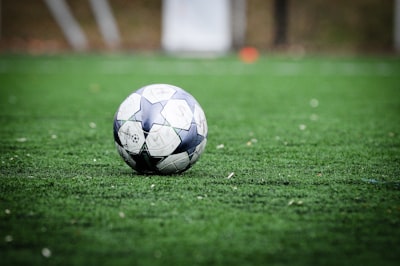
The Importance of Discipline in Football Team Success
Introduction
In football, the power of discipline really changes the game. It helps keep everyone on the team working together for the same goal. This power of discipline is what brings players close. It is not just to follow the rules. It helps players live better lives, play better, and get the most out of each day. With discipline, important things like being on time, staying focused, and not giving up start to grow, enhancing the overall quality of life of students, especially in a student’s life. Teams that use discipline well often reach the top in football and in their lives away from the pitch too.
Understanding Discipline in Football
Discipline in football is about following the rules of the game and sticking to a clear code of conduct. This leads people to act in a certain way and helps players work as a team to reach the ultimate goal. Following this set of rules is not just about stopping you from doing things. It helps create fairness and order on the field, which is needed for greater success. If players do not follow the rules, a team can face confusion and miss out on chances in the game.
The role of discipline is needed off the field too. The team uses it during training, planning, and how everyone gets along. The set of rules builds good habits and helps players keep internal consistency while dealing with outside stress. The role of discipline is key for ongoing success. It gives players and teams the strength to face problems with a strong spirit.
Defining Discipline on and off the Pitch
On the pitch, discipline is about how players follow the set of rules for the game. They show respect for referees’ decisions, do tactics just like they planned, and hold back emotional outbursts. Good discipline helps ensure fair play and steps up the chance to outplay opponents and get victories. It makes way for smooth gameplay when matches matter the most.
Off the pitch, discipline shapes personal habits and daily routines that have a big effect on athletes’ futures. Internal discipline—the inner self-control and choices they make—guides players to clear goals like staying fit, eating right, and getting good rest. At a given time, when their internal discipline is strong, some people can turn into athletes who do well all year round and reach different options and higher levels.
Personal discipline is not only about setting rules for yourself; it also means you get the mental toughness to do well under stress and resist any kind of procrastination. When you work on boosting both internal discipline and external discipline, you show key football values like teamwork, respect, and always trying your best. Without these, it is hard for people to get success in both sports and in their lives.
Types of Discipline: Self, Team, and Tactical
The kinds of discipline in football include self-discipline, team discipline, and tactical discipline. Self-discipline is about having internal consistency. In this, players focus on their own goals. Some examples be staying fit, working on new skills, and keeping their emotions in check. This helps them get out of their comfort zone. It also makes them try to get better at what they do.
Team discipline is about external regulation inside the group. It makes sure players work together as a team. Coaches want everyone to show respect and follow the same strategies. By doing this, the team avoids fights and problems. This kind of discipline helps everyone feel better about working together. When the team is close, it is easier for them to face any challenge.
Tactical discipline is very important, especially during matches. Players need to follow the game plan. They must stay in their places and stick to the moves made before the match. If everyone uses tactical discipline, play flows well and the team can stay ahead of the other side. When all three types or kinds of discipline are used together, teams do well in football.
The Role of Discipline in Team Dynamics
Discipline helps a team work better together. It makes it easier for people to help each other and builds trust. When football players see the value of discipline, they start to think about the goal of winning as one group. They know what they have to do and they do it well every time.
Even outside of football, discipline shows how people can be good to each other. It includes things like respecting others and working with the team for the same goals. Teams that have strong discipline often find more success. This success comes not just from winning games but from the good relationships they build through the sport. The value of discipline helps people do positive human actions and reach more as a team.
Building Trust and Respect Among Teammates
Trust among teammates is very important for good performance on the field. When people help each other or talk well during games, it shows respect. These are positive human actions. A lack of discipline can hinder the ability to keep these habits strong, as it makes everyone act in a responsible way. This helps keep things working well in the team, contributing to making it a more straightforward place. In a disciplined place, people get along instead of just trying to beat each other.
Respect comes from being disciplined and following rules. Players who always practice good habits show their teammates they can be counted on. When the team trusts each other, they can work together better. This helps them with their game plans and makes it easier to handle tough times as a group.
Discipline helps players see their team goals and know that they matter to the group. They take shared responsibility to reach these goals. When trust and respect are strong, teams can win because they work well together. With discipline, teamwork becomes something you really need and cannot replace.
Consistency in Training and Matches
Consistency in football cannot be reached without a disciplined routine. Players need regular practice to get better at their skills. When they act in a disciplined way, they come to the field ready, focused, and set on their goals. This kind of plan helps them build habits that make it possible to win, both in training and in real games.
When teams have clear goals, it helps them start their planned and disciplined work. Following a set schedule helps teams make a good plan, so players learn the part they have to play. With regular practice, teams keep improving those plans. As the season goes on, these goals get even clearer and much easier for the whole team to reach.
In actual games, a disciplined routine helps teams stay calm, even when there is lots of pressure. Sticking with the plan lets teams keep their focus. Even if another team is more skilled, a disciplined team often does better because they do not let stress break their focus. This way, being steady and disciplined is the key to getting better at football over the long run.
How Discipline Impacts On-Field Performance
Discipline is not just something important when you are off the field. It helps a lot when you play too. When players follow plans and keep their eye on the ultimate goal, it can really push a team forward. Positive action like sticking to what the team agrees on helps everyone make the right choices even when there is a lot of pressure. This can also lead to greater success.
When everyone is on the same page, players work better as a group. This helps the team make fewer mistakes and get more done. You can see how much discipline matters because teams that have more of it usually do better than the ones who do not.
Positioning, Roles, and Game Plans
Positioning uses a set of rules and a clear code of conduct to make sure every person does their job well. When all players follow these rules about their tasks, it helps them work as a group and stops them from getting confused on the field. It is important for each person to know their role. This way, players can put all their focus on what they need to do without worrying about what others should be doing.
Game plans help the team move towards the ultimate goal. When a team creates and then follows a game plan, everyone has a better idea about what to do. They play with more confidence. Every detail in the plan should talk about who the other team is and what they do well or not so well. This lets the team find good chances to win.
| Aspect | Definition | Impact |
|---|---|---|
| Positioning | Players lined up based on the role and plan. | Helps the group work together and not get lost. |
| Roles | Tasks given to each person. | Makes sure everyone is responsible. |
| Game Plans | Set strategies for the match. | Helps everyone be ready and use team strengths. |
Decision-Making Under Pressure
Decision-making under pressure shows if a player can step up in hard times. A wise leader has to be strong and pick the right things for the team, even when there is a lot at stake; it’s a show of courage to maintain focus in critical moments. Discipline helps sort of individual players keep their minds on the game. It stops them from doing anything rash or leaving their comfort zone when they should not.
When players think things through, they can stay calm, even during tough times. This way, they do not let feelings get in the way. The team can keep going after the ultimate goal. Good discipline keeps the mind clear and helps everyone know what to do.
Teams that make the right choices when there is pressure are the ones that win most often. It might mean holding onto the right defensive spot or making good plays on offence. In these big moments, discipline is what helps players keep control. If players learn how to make smart choices with discipline, they become strong leaders and help lift the whole team.
The Influence of Coaches on Team Discipline
Coaches have a big job in making sure a football team is well-disciplined. They do this by setting clear rules of the game and making sure there is a particular code of conduct. This helps build a culture where discipline is at the heart of everything the team does. Their external regulation is important because it helps the players learn personal discipline. Over time, this leads to good habits, and these good habits can be useful even outside of football.
A wise leader is someone who not only explains the rules of the game and the code of conduct but also helps the team work with internal consistency. They show the players what it takes to do well both on and off the field. By doing this, they help the athletes reach their goals and understand why discipline is a key part of life.
Setting Expectations and Standards
Setting clear standards and making sure everyone knows what is expected is important to build discipline in a football team. A wise leader explains a particular code of conduct that fits with the sport’s rules. This helps guide players in what they do, both on and off the field. Having this code of conduct can help each player improve their personal discipline. It also helps the team to have internal consistency. When there are clear goals and players follow these rules, they can make strong habits. This leads to success, both as individuals and as a team. In the end, it all works to bring a better quality of life for everyone involved.
Dealing with Indiscipline and Consequences
To deal with indiscipline, there needs to be a clear code of conduct. A wise leader should talk about why healthy discipline levels and the exercise of discipline are so important for the team. He must set up sure and fast consequences. This will help people do the right thing and stop the bad habits. If you act early, you help keep the peace in the group. This also builds strong internal consistency among the players. When you manage indiscipline right away, the team can stay focused on their main goals. These steps help with personal growth and make sure everyone in the group follows the rules together.
Discipline as a Driver of Long-Term Success
Getting good results in football comes from having disciplined routines. Sticking to a set of rules every day helps people build skill and work better as a team. This is how a team moves closer to its ultimate goal. A successful person maintains a disciplined routine and will set clear goals and do regular practice. They push themselves to get out of the comfort zone so they do not stay average. Every small win helps show the value of discipline. This leads to success that lasts a long time. It creates skilled individuals who do well in football and many other parts of life.
Developing Winning Habits
Building winning habits in a football team starts with a disciplined routine. This routine should put focus on both training and the players’ mental readiness. Regular practice helps everyone remember the rules of the game. It also gets players to follow a code of conduct. These important new habits and role habits help each disciplined person to make right choices, which is key for personal growth.
When players keep a disciplined routine, they learn that small victories matter. Each small win brings them closer to greater success. Over time, this helps match their own goals with the team’s ultimate goal. With regular practice and the right attitude, the team works as one. This helps them face problems with confidence and stand strong, no matter what comes at them.
Sustaining Motivation Throughout the Season
A good football season depends a lot on having a team that feels motivated. Regular practice, clear goals, and a disciplined routine help keep players focused even when things get tough. When players have strong internal discipline, they are more likely to stay committed to the team. This leads to small victories, which help boost their dedication. Good leaders know how to build a space where people support each other. This can help make everyone feel better as a team and raise their motivation. When you focus on having a disciplined mindset, it not only helps the team’s performance but also supports the personal growth of every person on the team.
Challenges to Maintaining Discipline in Football Teams
Discipline in football teams can be hard to keep up. There are many different people in the team, and everyone comes from a different background. A wise leader must know how to see these differences and work with them. It is also important to deal with distractions and outside pressure. These things can make the team lose focus if not handled well.
That is why the team needs to have a clear set of rules and daily routines. This helps to guide everyone and keep the group together. When there is strong internal discipline and the team members have a positive attitude, what looks like a problem can become a chance to get better. With this way to work, teams move closer to their ultimate goal and find success waiting for them.
Managing Diverse Personalities and Backgrounds
Building a strong team starts with knowing that people on a football squad have different personalities and backgrounds. The role of discipline here is to act like an outside rule that helps guide everyone to the same goal. A wise leader will know that keeping internal consistency, even with all these differences, helps personal growth. At the same time, the leader will respect what each person can give to the team. By setting a disciplined routine, the team can handle fights or problems better and turn their differences into a good thing. This way, they can improve how they work together to do well both on and off the pitch.
Overcoming Distractions and External Pressures
Distractions and outside pressures can make it hard for a football team to stay disciplined, but they can still be handled in a good way. When players stick to a disciplined routine, they can put their training first. This helps with time management and builds up internal consistency in the team. A wise leader knows the value of setting clear goals and making a place where the team feels supported. This helps cut back on outside stress. Regular practice helps players pick up good habits. These habits let athletes focus on the most important things they need to do to win. In the end, the power of discipline helps each person push past distractions and keep their focus on the sport.
Discipline’s Effect on Youth and Grassroots Football
In youth and grassroots football, good discipline is very important in the life of an individual. It helps young players learn key values from the start. Good discipline guides how players act and follow a code of conduct. This code be about showing respect for the team and the rules of the game. When kids start building these habits early, they learn about personal growth. This helps them get better at time management. They can also enjoy a more balanced and healthy life.
Discipline does more than help on the field. It teaches players the benefits of discipline, to have a positive attitude and make right choices in any area of life, contributing to a healthy mind. These lessons prepare them for future success, both in football and everything else they do.
Instilling Good Habits Early
Building strong fundamentals in young athletes gives them a solid base for all their future goals. When they learn to follow routines and stay disciplined, it helps make their minds ready for goal achievement and personal growth. If kids see a structured environment early, they will start to see why rules and regulations matter, not just in sports but in life too. By teaching good habits from an early age, coaches help players be ready for both sports and their bigger life journeys. This way, they can handle challenges that come up, be it during their playing years or in other parts of life.
Lessons Learned Beyond Football
Discipline in football is not just about what happens on the field. It teaches lessons that stay with you for a long time. When you follow a particular code of conduct, you learn about personal growth, being strong, and working with others. It also shows you how important it is to set clear goals and keep a disciplined routine. Many people take these lessons from football and use them in their student life and jobs. This kind of training helps you deal with life’s problems and make the right choices in different situations.
Conclusion
The role of discipline in a football team is very important. It helps the team set clear goals and build a good, disciplined routine. This routine is good for personal growth and helps the team work better together. When people follow the rules and win, even if it is a small victory, it helps everyone feel good about the team’s success and contributes to living a good life, ultimately allowing them to achieve great things. The power of discipline is strong. It goes beyond the sport and can help people in other parts of their lives, too. Discipline guides people to greater success. When you embrace discipline, it does not just make you perform better—it also improves your quality of life.
Frequently Asked Questions
How do coaches enforce discipline without demotivating players?
Coaches can keep discipline by making clear what they expect, and making sure that these goals are possible to reach. They also give praise for good behavior. When there is open talk between coaches and players, there is more trust. This helps the players know why rules are in place or why someone is asked to do something. It is good to hold people responsible but also to cheer them on. This be a good way to keep everyone going and helps the team work together to reach their goals.
Can discipline be taught, or is it innate?
Discipline in football can be something you learn or something you have from the start. Some people are born with self-discipline. Good coaches, regular training, and a helpful team all help to build this skill as time goes on. Both are needed to make teams work well and to help them win.
How does discipline contribute to winning championships?
Discipline helps keep players steady in their training. It makes sure that they follow game plans and stick to team rules. All of these things are important if you want to win a championship. It also helps players stay strong. When you have discipline, you keep your eyes on the goal even when things get tough. Because of this, the team can do well when it really matters during the game.
Why is discipline considered a key factor in achieving success?
Discipline is crucial for football team success as it fosters consistency, accountability, and teamwork. Players who adhere to training schedules, follow game strategies, and respect coaches contribute to a cohesive unit. This commitment ultimately enhances performance and increases the likelihood of victory on the field.
Sign up for a free trial here
Social Media
Recommended Articles
Nutrition Articles:
- Cristiano Ronaldo Diet: The Ultimate Footballer’s Guide
- Messi Nutrition Plan: Optimal Performance Secrets – As covered by espn.
Technique Articles:
About Our Academy:
- Football Academy Near Me: Elstree’s Girls Football Program
- Best Kids Football: Join Our Club Today
- Cristiano Ronaldo Diet: The Ultimate Footballer’s Guide
- Messi Nutrition Plan: Optimal Performance Secrets – As covered by espn.