Blog / Team Cohesion 101: A Beginner’s Guide for Football Players
Beginner’s Guide: Team Cohesion for New Football Players
12 March 2024 · 7 min read

Introduction
Dealing with disconnected teams? Learn more about team cohesion to make sure your team stays united and works in harmony. While each team member may have unique skills and produce great results individually, it’s not enough for a team to be successful. A team is more than a sum of its components, and to work effectively, additional effort is needed. Like parts of a clock form a mechanism that is able to display time, teams that work cohesively demonstrate impressive performance and high levels of job satisfaction.

How does team cohesion impact overall team performance?
Team cohesion is crucial for team performance. When players trust each other, communicate effectively, and have strong bonds, it leads to better coordination on the field. This cohesion boosts morale, fosters team spirit, and ultimately enhances overall team performance both in practice and during games.
Understanding Team Cohesion in Football
Team cohesion, also known as team cohesiveness, is the ability of a team to stay united and work as a single organism to achieve a common goal. It can also be interpreted as the connections among team members that develop a sense of belonging and encourage people to create positive relationships. Team cohesiveness is built on effective communication and trust, which, however, are not characteristics of a team by default and thus should be intentionally developed.
The Importance of Team Cohesion for Success
Teams thrive on cohesiveness. Working together efficiently is key to achieving goals. Cohesive teams are organised, productive, and efficient. Assigning clear roles and responsibilities leads to smoother problem-solving and better teamwork. With a culture of psychological safety, conflicts are managed well, fostering respect and job satisfaction. Resources are utilised effectively, reducing costs. Autonomy increases as cohesive teams require less supervision, allowing for more creativity and success in reaching goals.
Common Challenges in Achieving Team Cohesion
Team cohesion is vital for success, but teams face common challenges in achieving it. Disengagement occurs when members lack investment in goals, leading to reduced productivity and commitment. Turnover disrupts cohesion as new members join. Teams may also experience conflict during the storming stage as roles are established, requiring strong leadership and communication to move past this phase and enhance cohesion.

Key Components of a Cohesive Football Team
To build team cohesion in football, there are key components that need to be in place. A cohesive team requires effective communication, where team members openly share information and ideas. Trust is also essential, as team members need to trust one another’s abilities and intentions. Shared goals are important, as they provide a common purpose and direction for the team to work towards. When these components are present, a cohesive football team can function effectively and achieve success on and off the field.
Communication: The Foundation of Teamwork
Communication is vital for team cohesion. Open communication fosters trust and collaboration by allowing team members to freely share information, ideas, and concerns. Effective communication ensures messages are clear, promoting understanding and alignment among team members. Team meetings are crucial for discussing goals, strategies, and challenges. Key points for cohesive team communication:
Encourage open and honest communication.
Active listening is essential.
Regular team meetings facilitate collaboration.
Utilise various communication channels to accommodate preferences.
Trust and Respect Among Team Members
Trust and respect are essential for team cohesion. Trust involves relying on each other, while respect values each member’s contributions. When present, they foster collaboration and support within the team. Building trust and respect requires open communication, active listening, and teamwork commitment. By prioritising the team’s success over personal egos, teams can create a positive environment where everyone feels valued and motivated to excel.
Shared Goals and Vision
Shared goals and vision are crucial for team cohesion. A common goal provides direction and purpose, aligning team members’ efforts towards a shared objective. A shared vision embodies the team’s collective aspirations and values, boosting motivation and commitment. Team goals serve as milestones guiding progress towards the shared vision. Regularly revisiting and reinforcing these goals maintains focus and cohesion, ensuring the team works towards success.
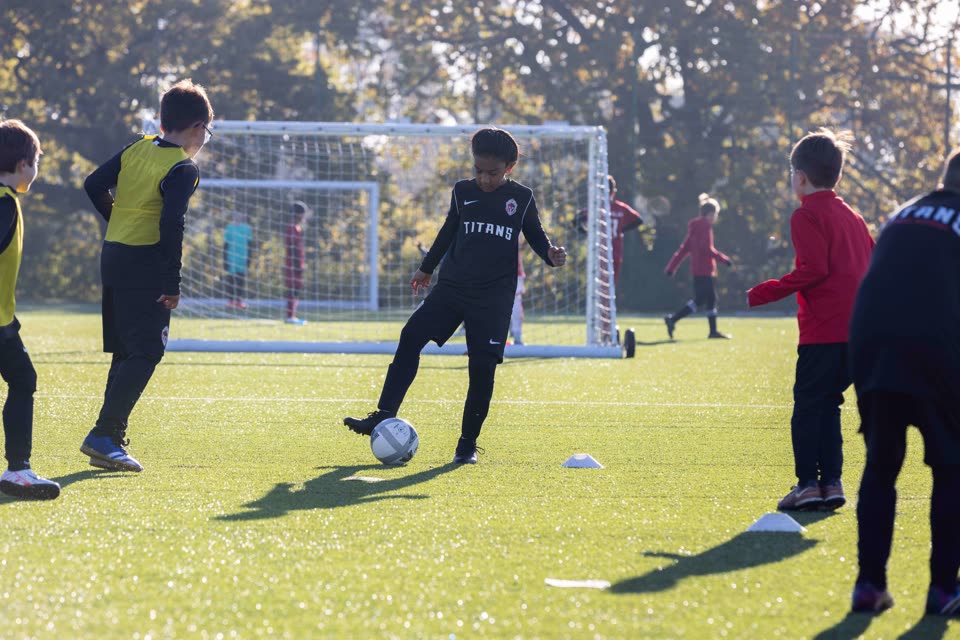
Beginner’s Guide to Enhancing Team Cohesion
Enhancing team cohesion requires intentional effort and a focus on team building and development. By prioritising team cohesion, teams can improve their performance, collaboration, and job satisfaction. Employee engagement is a key factor in team cohesion, as engaged team members are more likely to contribute their best and work collaboratively with others. This beginner’s guide will explore practical strategies and steps to enhance team cohesion and create a positive and high-performing team environment.
What You’ll Need to Get Started
To enhance team cohesion, start with key elements like team building activities to build trust and communication. Create a supportive work environment by fostering open communication, collaboration, and recognising each member’s contributions for growth. Investing in team building activities and a positive work environment lays the foundation for a stronger, more effective team.
Establishing Clear Communication Channels
Clear communication is vital for team cohesion. It enables sharing of information, ideas, and concerns, fostering trust and collaboration. Effective communication ensures understanding and alignment within the team. To establish clear channels:
Use various platforms like email, instant messaging, and collaboration tools.
Encourage open and honest communication.
Provide clear guidelines on response times and etiquette.
Regularly check in with team members to address any issues promptly. This enhances cohesion and aligns everyone towards a common goal.
Building Trust Through Team Activities
Team activities are valuable for fostering trust and camaraderie among team members. They include team-building exercises, games, and social outings. These activities help team members bond on a personal level, breaking down barriers and building rapport. They improve communication, strengthen team bonds, and create a positive team culture based on trust and unity.
Step-by-Step Guide to Team Cohesion
Enhancing team cohesion requires a step-by-step approach that focuses on team development and team building. By following a systematic process, teams can improve their effectiveness, collaboration, and performance. This step-by-step guide will outline the key stages and strategies to help teams achieve greater cohesion and success.
Step 1: Set Clear Team Goals
Setting clear team goals is the first step in enhancing team cohesion. Team goals provide a common purpose, align efforts, and work towards shared objectives. When setting team goals:
Ensure they are SMART (specific, measurable, achievable, relevant, time-bound).
Communicate and ensure everyone understands and agrees.
Break down larger goals into smaller tasks.
Regularly review to stay aligned with the team’s purpose.
Clear team goals create focus, direction, and motivation among team members.
Step 2: Foster an Inclusive Team Environment
Creating an inclusive team environment enhances cohesion by valuing all members’ contributions and perspectives. To foster inclusivity:
Encourage open communication and active listening.
Promote collaboration over individual success.
Celebrate diversity and different viewpoints for better decision-making.
Provide equal opportunities for growth and development.
An inclusive environment fosters team unity, collaboration, and success.
Overcoming Obstacles to Team Cohesion
While team cohesion is essential for success, there are common obstacles that teams may face. Overcoming these obstacles is crucial for maintaining team cohesion and effectiveness. Two significant obstacles are conflicts and personal egos. Conflict resolution strategies and a focus on the greater good of the team can help address conflicts and minimise their impact on team cohesion. Similarly, managing personal egos and promoting a team-first mindset can foster collaboration and unity within the team.
Managing Personal Egos for the Greater Good
Personal egos can hinder team cohesion when members prioritise personal agendas over team goals. Managing egos involves promoting a team-first mindset and focusing on the greater good. Strategies for managing personal egos include fostering humility and mutual respect, encouraging teamwork, recognising individual achievements within the team context, and setting clear expectations to prioritise team interests. By addressing personal egos, teams can strengthen cohesion.
Conclusion
Building team cohesion in football is pivotal for success. Through effective communication, trust, shared goals, and teamwork, players can achieve their full potential on the field. Establishing clear communication channels, fostering trust, and celebrating achievements are key steps in enhancing team cohesion. Overcoming conflicts promptly and managing egos contribute to a cohesive team environment. By measuring progress through indicators like improved collaboration and mutual respect, teams can evaluate their development. Remember, team cohesion is a continuous journey that requires dedication and effort from every player to create a harmonious and successful team dynamic.
Frequently Asked Questions
How long does it take to build team cohesion?
Building team cohesion is a continuous process that takes time and effort. The time frame for building team cohesion can vary depending on factors such as team size, composition, and dynamics. It is important to prioritise team development and provide opportunities for team building activities to foster team cohesion. However, there is no specific timeline for building team cohesion, as it is an ongoing effort that requires continuous attention and investment.
Can a new player significantly impact team cohesion?
The addition of a new player to a team can impact team cohesion and dynamics. The introduction of a new player may require adjustments in team communication, roles, and relationships. However, with effective integration strategies and open communication, a new player can quickly become a valued team member and contribute to team cohesion and success.
Sign up for a free trial here

Social Media
Recommended Articles
Nutrition Articles:
- Cristiano Ronaldo Diet: The Ultimate Footballer’s Guide
- Messi Nutrition Plan: Optimal Performance Secrets
Technique Articles:
About Our Academy:
- Football Academy Near Me: Elstree’s Girls Football Program
- Best Kids Football: Join Our Club Today
- Find a Football Academy Near Me: Titans Football Academy