Blog / Mastering Goalkick Tactics: A Comprehensive Guide
Exploring Different Goalkick Tactics
18 March 2024 · 8 min read
Introduction
Goalkicks are an integral part of the game of football. They provide a valuable opportunity for teams to regain possession and initiate attacking plays. However, goalkicks are not just about kicking the ball back into play. They require careful planning, tactical awareness, and precise execution. In this blog, we will explore different goalkick tactics that teams employ to gain an advantage on the field.
How do goalkeepers kick the ball so high and far?
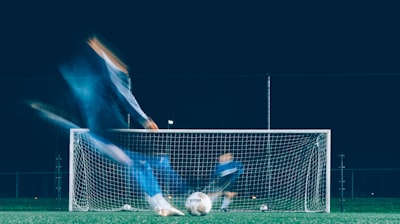
Goalkeepers kick the ball high and far by using proper technique, including a long run-up for momentum, striking the ball with the laces of the foot for power, and following through with the kicking leg. This technique generates maximum force to propel the ball over longer distances on goalkicks.
Understanding the Basics of Goalkicks
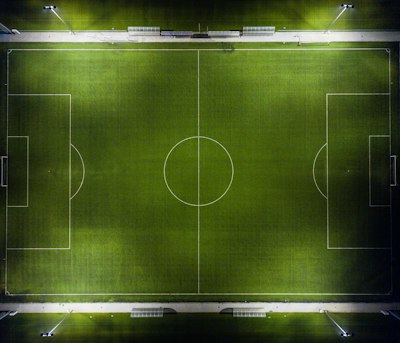
Before exploring goalkick tactics, it’s essential to grasp the basics. A goalkick is given when the ball crosses the goal line, last touched by the attacking team. It restarts play from the defending team’s penalty area.
Taken within the goal area, the ball must be still before kicking. Once kicked and in motion, it’s in play. Opponents must stay out of the penalty area until then.
If the kicker touches the ball again before others do, an indirect free kick is given to the opponent. A handball offence may result in a direct or penalty kick.
The goal of a goalkick is to relieve defensive pressure and start an attack. Knowing goalkick rules is vital for effective tactics.
The Evolution of Goalkick Rules
Goalkick rules have evolved for fair play and game flow. IFAB updates rules, allowing more flexibility for quicker restarts and possession maintenance. The FA in England implements IFAB recommendations to shape goalkick rules. Understanding this evolution helps teams adapt tactics and leverage the latest regulations.
Key Regulations Governing Goalkicks
Key regulations govern goalkicks. The ball must be stationary before being kicked for a fair restart. Opponents must stay outside the kicker’s penalty area until the ball is in play. If the kicker touches the ball again before another player does, an indirect free kick is awarded to the opposing team. Handball offences have different outcomes based on where they occur on the field, including a direct free kick if they occur inside the kicker’s penalty area, also known as the kicker’s penalty area. Understanding these rules is crucial for effective goalkicks and avoiding unnecessary fouls or penalties.
Tactical Approaches to Goalkicks
Tactical approaches to goalkicks play a crucial role in determining the success of a team’s overall strategy. By choosing the right approach, teams can exploit their strengths and exploit the weaknesses of their opponents. Two common tactical approaches to goalkicks are short goalkicks and long goalkicks. Each approach offers distinct advantages and disadvantages, and teams must assess the situation on the field to determine the most appropriate tactic to employ.
Short Goalkicks Strategy
Short goalkicks involve passing to a teammate nearby instead of kicking long. It helps maintain possession, build play from the back, bypass high press, and create space in midfield. Requires good communication, coordination, and technical skills from the defending team.
Long Goalkicks Technique
Long goalkicks involve kicking the ball far into the opponent’s half, aiming to bypass their high press and start a counter-attack effectively. Goalkeepers need precise technique for this, and the team’s forwards and midfielders must be strategically positioned to receive the kick and launch an attack swiftly. This strategy helps transition from defence to offence quickly and catch opponents off guard. Defending teams must be prepared for aerial battles and winning second balls.
Positioning and Player Roles in Goalkicks
Effective positioning and player roles are crucial elements in executing successful goalkicks. Each player’s role must be clearly defined to maximise the team’s chances of retaining possession or launching a successful attack.
Goalkeeper’s Role and Decision-Making
When it comes to goalkicks, the goalkeeper’s role is crucial in strategising and executing successful plays. Assessing player positions on the field, the keeper decides between short or long goalkicks. Quick and accurate decision-making by the goalkeeper is vital for effective team performance in transitioning from defence to attack.
Defenders and Midfielders’ Positions During Goalkicks
During goalkicks, defenders position outside the penalty area to receive the ball and start the team’s next move. Midfielders spread out strategically, offering passing options to the goalkeeper or defenders to create passing lanes and keep possession. Defenders and midfielders play a vital role in smoothly transitioning from defence to offence during goalkicks, enhancing the team’s tactical approach.
Goalkick Training Drills
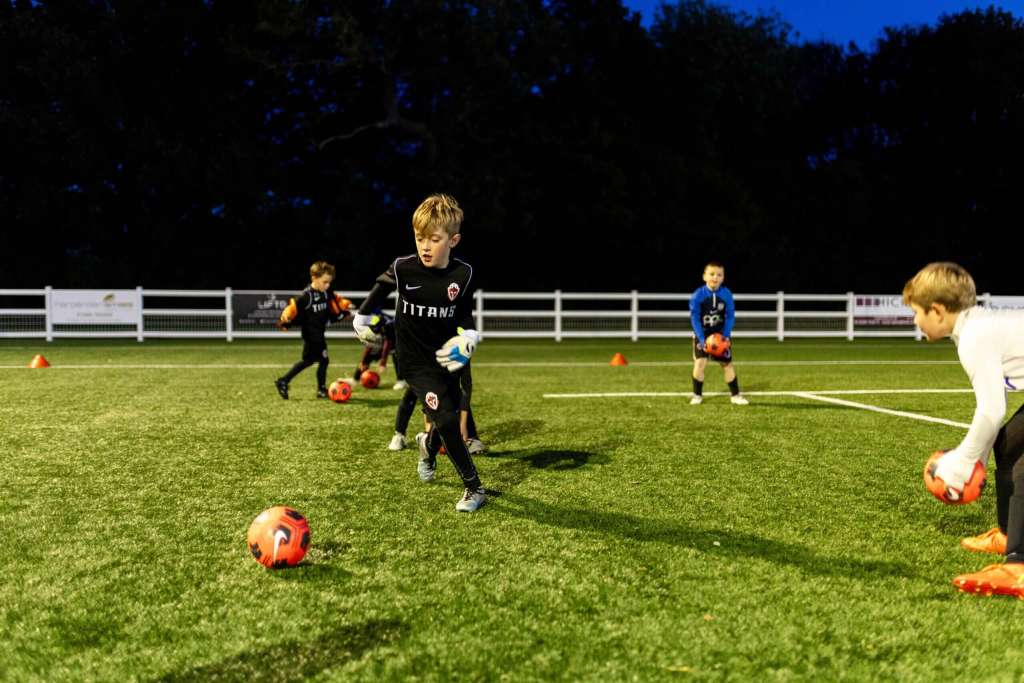
Drills play a crucial role in honing goalkicking skills. To enhance accuracy in long goalkicks, repetitive practice focusing on technique and power is vital. Incorporating exercises that simulate match scenarios can aid in perfecting short goalkick strategies, emphasising quick decision-making and precise distribution under pressure. These training drills not only improve the goalkeeper’s proficiency but also contribute to the team’s ability to efficiently execute goalkicks during gameplay.
Drills for Improving Accuracy in Long Goalkicks
Practicing long goalkick accuracy is crucial for a team’s success. Enhance performance by incorporating NLP terms in your training sessions. Focus on the goal area and penalty line to refine technique. Use drills simulating match scenarios to thrive under pressure. Employ innovative training methods to boost skills effectively. Consistent practice will help you master long goalkicks, contributing significantly to your team’s strategy and success.
Exercises for Perfecting Short Goalkicks Strategy
To improve short goalkick precision, structured drills are essential. Focus on quick decision-making and accurate distribution through repetitive practice. Simulate game pressures for real-match scenarios. Use feedback loops for technique enhancement. Apply NLP concepts for strategic adaptation. Coordinate exercises involving goalkeepers and outfield players to enhance communication. Experiment with different angles and distances to refine short goalkicks in various conditions.
Analysing Professional Teams’ Goalkick Tactics
Professional teams elevate goalkicks beyond mere restarts. Analysing their tactics reveals intricate strategies. Premier League clubs showcase diverse approaches, from quick short passes to strategic long balls. Top teams exploit every aspect of the site, from the defending team’s position to the attacking team’s setup. Through meticulous planning, they convert goalkicks into potent attacking opportunities, transitioning swiftly from defence to offence. Studying these techniques offers valuable insights for improving overall gameplay.
How Top Football Clubs Utilise Goalkicks
Top football clubs strategically employ goalkicks for quick transitions in possession. They often opt for short goalkicks, initiating play from the penalty area to maintain ball control and build from the back. Some teams, like those in the Premier League, utilise goalkicks as a tactical advantage, involving the goalkeeper in the build-up play to bypass the pressurising opposing team and create opportunities from the centre of the field. This approach aligns with modern game trends of possession-based football and high pressing strategies, making the humble goal kick one of the most important passes in the game.
Case Studies of Memorable Goalkicks in Matches
One memorable goalkick took place during the 2006 FIFA World Cup final when Italy faced France. In the 110th minute, French captain Zinedine Zidane kicked a penalty kick into the goal, giving his team the lead. Another iconic moment was Porto’s match against Benfica in 2013, where Porto’s goalkeeper, Helton, scored a stunning long-range goalkick. These instances showcase how goalkicks can be pivotal in determining the outcome of high-stakes matches.
Overcoming Common Goalkick Challenges
Facing high-pressure situations and adapting to weather conditions are common goalkick challenges. The kicker’s penalty area can suddenly turn into a battlefield, requiring quick decision-making under duress. When adverse weather affects play, the kicking team must adjust strategies for precision and distance. These challenges demand resilience and composure from the goalkeeper and their teammates to maintain possession and build an effective attacking play despite the external factors influencing the game.
Dealing with High Pressure Situations
When facing high pressure situations during a goalkick, quick decision-making is crucial. Goalkeepers should scan the field for passing options and assess the opposing team’s positioning. Communication with defenders helps create a clear strategy. Maintaining composure and executing the kick confidently under pressure is key to avoid turnovers. Practice scenarios simulating high-pressure situations can enhance a team’s readiness. Adapting to the moment and staying focused are essential in overcoming challenges during intense goalkick situations.
Adapting Goalkick Strategy Based on Weather Conditions
When weather conditions impact gameplay, goalkick strategies require adaptation. In windy conditions, opting for lower trajectory kicks can aid in accuracy and distance. During rainy matches, goalkeepers might need to use lighter balls for better control. In hot weather, quick distribution after a goalkick can catch opponents off guard. Adapting to each scenario ensures the effectiveness of the goalkick strategy, showcasing the team’s tactical flexibility and awareness of environmental influences.
Conclusion
In soccer, mastering goalkicks involves understanding their evolution, regulations, and tactics. From short to long kicks, player positioning, roles, training drills, and challenges all impact the game. Professional teams use diverse tactics and innovate based on new rules and trends. Exploring case studies and FAQs can enhance your skills. Mastering goalkick tactics requires strategy, technique, and innovation for accuracy in various conditions and pressure situations.
To improve the ability to take goalkicks, this skill must be practiced a number of times in your own penalty area, with opposing players to make practice realistic. Apply the correct laws of the game and don’t take a second touch, so learning can be taking into an actual match. Practices different types of techniques, even a punt so you have lots of different options when taking a goalkick. While this isn’t rugby, having a number of techniques improves outcomes.
Frequently Asked Questions
How to Train for Different Goalkick Tactics?
Training for different goalkick tactics involves drills and exercises that focus on improving the technical skills and decision-making of players. Goalkeepers, defenders, and midfielders can train together to improve their communication, positioning, and passing accuracy during goalkicks. Training drills can include practicing long goalkicks to hit specific targets or working on quick short passes to maintain possession. By incorporating these drills into their training sessions, teams can develop the skills necessary for executing different goalkick tactics effectively.
Sign up for a free trial here

Social Media
Recommended Articles
Nutrition Articles:
- Cristiano Ronaldo Diet: The Ultimate Footballer’s Guide
- Messi Nutrition Plan: Optimal Performance Secrets
Technique Articles:
About Our Academy:
- Football Academy Near Me: Elstree’s Girls Football Program
- Best Kids Football: Join Our Club Today
- Find a Football Academy Near Me: Titans Football Academy